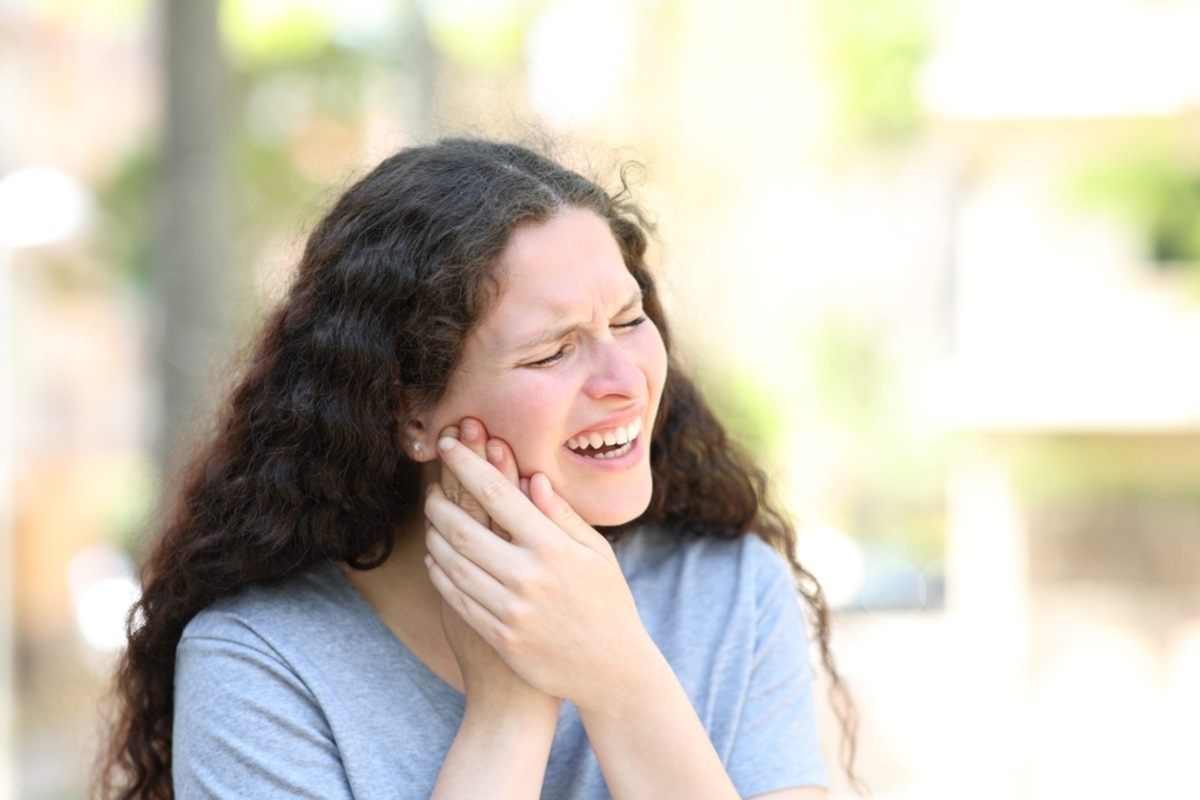
Why does your jaw hurt when you chew or move it? Pain around the jaw can affect much more than mealtimes, sometimes making talking, yawning, or opening the mouth feel uncomfortable. A dentist in St. Albert can evaluate the jaw, muscles, and surrounding areas to look for factors that may be linked to the discomfort, including clenching, grinding, strain, injury, or changes in jaw movement. Since similar symptoms can develop for different reasons, identifying the likely source of the pain can help guide the next steps in care.
What Is TMJ Pain?
TMJ is the joint that connects your lower jaw to your skull. It helps you move your jaw when you eat, talk, and yawn.
TMJ problems may cause:
- Jaw pain or soreness
- Pain near the ears
- Pain when chewing
- Clicking or popping sounds
- Trouble opening your mouth
- Head or face pain
Symptoms can be mild or strong, depending on the cause.
Can Teeth Grinding Cause TMJ Pain?
Teeth grinding and jaw clenching can place extra pressure on the jaw muscles and joints. Repeated pressure may contribute to soreness, jaw muscle fatigue, or discomfort upon waking.
Signs that may occur with grinding include:
- Worn or sensitive teeth
- Jaw soreness in the morning
- Tight jaw muscles
- Headaches
- Increased tooth sensitivity
Managing the cause of grinding may help reduce stress on the jaw.
Can Stress Make Jaw Pain Worse?
Stress can make you clench your jaw without realizing it. Tightening your jaw during the day or while sleeping can make the jaw muscles tense and sore.
Simple habits may help reduce unnecessary jaw strain:
- Keep the teeth slightly apart when not eating.
- Avoid chewing gum for long periods.
- Take breaks from activities that require prolonged chewing.
- Notice when the jaw is being held tightly.
- Follow professional advice if symptoms continue.
Stress may not be the only cause, so ongoing pain still needs assessment.
Can an Injury Cause TMJ Problems?
Yes. A direct blow to the jaw or face can affect the joint, muscles, or surrounding tissues. Even an injury that seems minor at first may lead to pain, limited movement, or changes in how the teeth come together.
Jaw pain following an accident should be assessed, especially when there is:
- Significant swelling
- Severe pain
- Difficulty opening or closing the mouth
- Trouble eating
- A change in the way the teeth meet
Prompt evaluation can help determine whether further care is needed.
Can Arthritis Affect the Jaw Joint?
Arthritis can affect joints throughout the body, including the jaw joint. Changes within the joint may contribute to pain, stiffness, or difficulty moving the jaw.
Symptoms may include:
- Jaw stiffness
- Pain during movement
- Reduced range of motion
- Clicking or other joint sounds
- Tenderness around the joint
The type of joint problem matters because different causes may require different approaches.
Can a Bite Problem Cause TMJ Pain?
The way the upper and lower teeth meet can affect jaw movement, but bite alignment is not always the cause of TMJ pain. Jaw discomfort can have several contributing factors, so treatment should not be based on bite position alone.
A dentist near you can examine the teeth, jaw movement, and surrounding muscles to help identify factors that may be linked to the symptoms.
What Other Habits Can Strain the Jaw?
Certain everyday habits can place extra stress on the jaw. Repeatedly using the jaw for activities other than normal eating and speaking may contribute to muscle fatigue or discomfort.
Examples include:
- Chewing gum frequently
- Biting fingernails
- Chewing on pens or other objects
- Eating very hard foods often
- Keeping the jaw clenched
- Taking very large bites
Reducing these habits may help limit unnecessary jaw strain.
How Is TMJ Pain Evaluated?
An assessment for TMJ treatment in St. Albert may begin with questions about when the pain started, what makes it worse, and whether clicking, locking, or limited movement occurs.
The examination may include:
- Checking how the jaw opens and closes.
- Feeling the jaw muscles for tenderness
- Looking for signs of tooth wear.
- Checking how the teeth come together.
- Reviewing any recent injury or dental changes.
Additional testing may be recommended when the cause is unclear or when a closer look at the joint is needed.
When Should TMJ Pain Be Checked?
Occasional jaw clicking without pain may not always require treatment. However, ongoing or worsening symptoms should be assessed.
Consider seeking dental care when there is:
- Persistent jaw pain
- Difficulty opening or closing the mouth
- Repeated jaw locking
- Pain that interferes with eating
- Symptoms following an injury
- Increasing discomfort around the jaw or ear
TMJ treatment near you should focus on identifying the cause rather than treating every case in the same way.
Give Your Jaw Discomfort the Attention It Deserves!
Ongoing jaw pain, stiffness, clicking, or difficulty moving the mouth can interfere with simple daily activities and should not be ignored when symptoms continue. Book an appointment with Dentus Family Dental to discuss when your discomfort began, have your jaw and surrounding areas evaluated, explore possible causes, and receive clear, personalized guidance about the next steps for your care.
FAQs
Can TMJ pain go away on its own?
Some mild jaw symptoms may improve with time and reduced strain. Persistent, severe, or worsening pain should be evaluated rather than ignored.
Does jaw clicking always mean there is a serious problem?
No. Clicking without pain or limited jaw movement does not always indicate a serious problem. Pain, locking, or difficulty moving the jaw should be assessed.
Can chewing gum cause TMJ pain?
Frequent or prolonged gum chewing may place an extra workload on the jaw muscles and can worsen symptoms in some individuals.
Do the teeth always cause TMJ pain?
No. TMJ symptoms can involve the jaw joints, muscles, habits, injuries, or other factors. A dental assessment can help narrow down the possible cause.