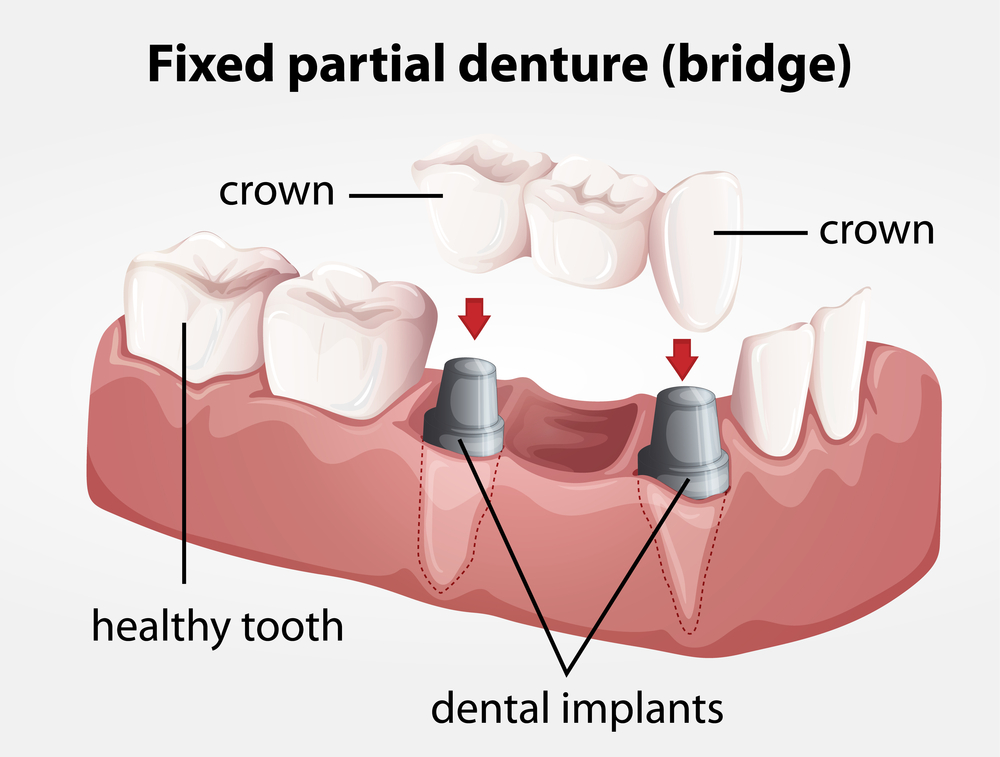
Damage to your teeth from cracking, decay, or wear may cause eating to be painful and smiling to be uncomfortable. When a crown is required, the greatest concern is usually pain. That is only natural, particularly if it is your first crown.
If you are looking for dental crowns near you, it is reassuring to know what occurs before and after the process. With clear information, you will be more ready and less anxious.
This blog discusses what to expect with dental crowns, how painful it will be, and how to care for your tooth afterwards, so you can walk into your appointment with confidence.
What Is a Dental Crown and When Do You Need One?
A dental crown is a cap placed over a tooth to protect it and make it stronger. It’s applied when a tooth isn’t strong enough for a standard filling, usually after a root canal, large cavity, or crack.
Crowns also enhance the appearance of crooked or stained teeth. When you get a crown, you can bite and chew normally again while the tooth beneath it gets safeguarded from further damage.
Does a Crown Hurt?
The process of getting a crown usually doesn’t hurt. Dentists will first use local anesthesia to numb the area before beginning. Although you might experience some pressure, you should not feel any sharp pain throughout the process.
Later, your gums or jaw could be sore for a day or two. Your teeth may be sensitive to cold or hot food, too. Both are normal and should resolve immediately. Pain medicine can be used if necessary, available over the counter.
What Happens Before the Crown Is Placed?
The first step is a dental exam. Your dentist in St. Albert checks the damaged tooth and may take X-rays. If the tooth has deep decay or infection, a root canal might be done first.
Next, the dentist shapes the tooth so the crown can fit over it. This part is done under numbing, so it doesn’t hurt. After shaping, an impression or scan is taken to design your custom crown.
A temporary crown is placed while your permanent one is made. It usually takes one to two weeks to be ready. If you’re planning to get dental crowns in St. Albert, AB, knowing what happens at this stage can help reduce stress.
What to Expect at the Final Appointment
At your second visit, the dentist removes the temporary crown and fits the permanent one. They’ll check how it feels in your mouth and make sure your bite is even.
Once everything fits well, the crown is cemented in place. This step is quick and usually pain-free. Most people return to normal activities the same day.
What Are the Types of Dental Crowns?
There are different kinds of crowns made from different materials. Here’s a quick guide to the main types:
| Type of Crown | What It Offers | Best For |
|---|---|---|
| Porcelain | Looks natural and blends with teeth | Front teeth for a natural look |
| Metal (Gold or Alloy) | Very strong and long-lasting, but not tooth-colored | Back teeth, where strength is important |
| Porcelain-Fused-to-Metal | Combines natural look with strength | Anywhere needing both looks and support |
| Zirconia | Strong, natural-looking, and great for tough jobs | Teeth under pressure or grinding |
Aftercare: What Should You Do?
After getting a crown, avoid sticky or hard foods for a day so the cement can fully set. Brush your teeth gently, and don’t skip flossing; just slide the floss out instead of pulling up to avoid shifting the crown.
If you feel pain when biting down, or if the crown feels too high, let your dentist know. These are easy to fix. With proper care, crowns can last over 10 years.
Wrapping Up!
Now that you understand the steps, it’s easier to feel calm about getting a dental crown. With numbing, proper care, and help from your dentist, the process is straightforward and worth it.
At Dentus Family Dental, we make sure every step is clear and comfortable. Our friendly team and modern tools help you get the care you need with less stress and more confidence. Book your consultation today at Dentus Family Dental.
FAQs
Does it hurt to get crowns on your teeth?
No, getting a crown should not hurt. Your dentist numbs the tooth and surrounding gum with local anaesthetic before any preparation begins, so you feel pressure and vibration but not pain. Mild soreness in the gum or jaw for one to two days afterwards is normal and settles with over-the-counter pain relief.
I have a crown on my tooth and it hurts — why?
A crown that hurts usually means one of four things: the bite is slightly too high, the tooth is still settling after preparation, the cement has washed out, or the nerve underneath is inflamed or infected. Pain that appears weeks or months later is not normal and should be checked promptly.
I have a cap on my tooth and it hurts when I bite down — what does that mean?
Pain only when biting almost always means the crown is sitting a fraction too high and hitting first. It is a five-minute fix — your dentist polishes down the high spot and the pain usually stops immediately. Don’t wait it out; a high crown can bruise the ligament and inflame the nerve.
How long should a new crown be sensitive?
Mild sensitivity to cold and pressure is normal for about one to two weeks after a crown is fitted, and should improve steadily. Sensitivity that gets worse, lingers more than 30 seconds after cold, or turns into throbbing or night pain suggests nerve involvement and needs an appointment.
Can a crowned tooth still get an infection or need a root canal?
Yes. A crown protects the outside of the tooth but doesn’t seal the nerve inside. Decay can start at the crown margin, or a nerve already stressed by the original damage can die later. Roughly a small percentage of crowned teeth eventually need root canal treatment through or after the crown.
Does getting a crown hurt more than a filling?
Not meaningfully. Both are done under local anaesthetic and neither should be painful. A crown appointment simply takes longer — usually 60 to 90 minutes versus 20 to 40 for a filling — so your jaw may feel more tired afterwards. Post-treatment soreness is comparable.
How long does the numbness last after a crown appointment?
Numbness typically wears off in two to four hours depending on the anaesthetic used and whether an upper or lower tooth was treated. Lower jaw blocks last longest. Avoid chewing, hot drinks, and anything that could burn or bite the lip and tongue until full sensation returns.
What should I do if my crown hurts weeks after it was placed?
Call your dentist rather than waiting. Late-onset pain points to a bite problem, leaking cement, decay under the margin, or nerve inflammation — none of which resolve on their own. If you’re in St. Albert, Dentus Family Dental can assess an uncomfortable crown and usually adjust or re-cement it in a single visit.