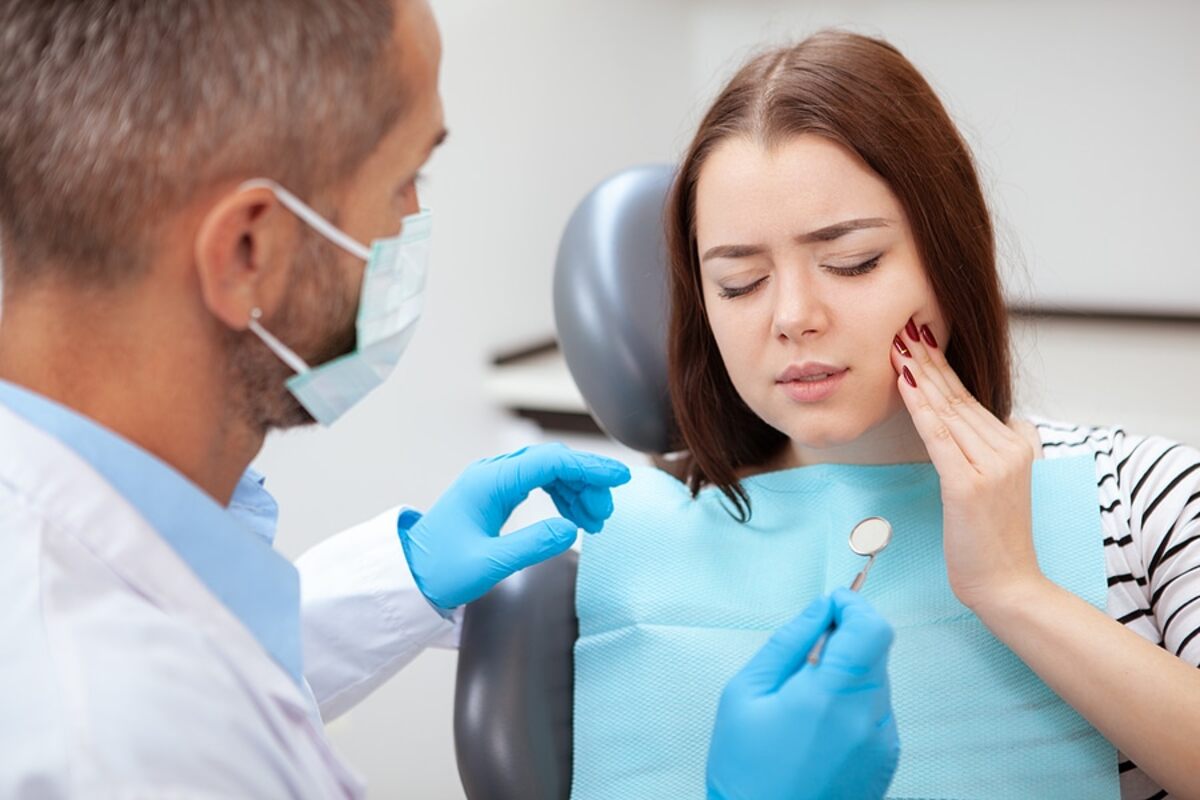
Why do frequent headaches sometimes come from problems in the jaw or teeth? Many people who have regular headaches or jaw pain are now looking into migraine pain prevention in St. Albert to see if dental health could be a cause. Migraines are not only about the head; jaw problems, teeth issues, and bite alignment can also trigger pain. This link is often overlooked, so a dental check-up can help identify the real cause and provide better relief.
Understanding how oral health relates to headaches helps patients take the right steps toward long-term comfort.
How Dental Health and Migraines Are Connected
The jaw muscles and head muscles are closely linked. When the jaw is under stress, it can affect surrounding nerves and muscles, sometimes leading to headache or migraine symptoms.
Common dental-related causes may include:
- Clenching your jaw during stress
- Grinding your teeth while sleeping
- Bite problems where teeth do not align properly
- TMJ (jaw joint) strain or discomfort
- Tight muscles in the face and neck
These problems can slowly build pressure and may lead to frequent headaches over time.
Can Teeth Grinding Cause Migraines?
A common question patients ask is: Can teeth grinding cause migraines?
Yes, teeth grinding (also called bruxism) can place repeated pressure on the jaw muscles and joints. This constant strain may lead to:
- Tension headaches
- Morning migraine symptoms
- Jaw soreness or stiffness
- Facial muscle fatigue
- Ear or temple discomfort
Many people are unaware that they grind their teeth, especially at night. Over time, this habit can increase the frequency and intensity of headaches.
Role of Dental Evaluation in Headache Relief
A dental check-up can help determine whether jaw problems or muscle strain are causing migraine pain. A dental clinic near you can check your bite, worn teeth, and jaw movement to look for possible causes.
During the check-up, the dentist may look for:
- Signs of teeth grinding or clenching
- How your jaw joint moves
- Wear on your teeth
- Tight muscles around your jaw
- Problems with how your teeth fit together
Finding these problems early can help choose the right treatment.
What Dental Appliance Helps with Migraines?
A custom-made oral appliance, often called a night guard or bite splint, is commonly used. It helps by:
- Reducing pressure on the jaw joint
- Preventing teeth grinding during sleep
- Relaxing jaw muscles
- Supporting proper bite alignment
- Reducing strain that may trigger headaches
These appliances are designed to be comfortable and worn mostly at night.
How Bite Problems Can Trigger Headaches
When teeth do not fit together properly, the jaw muscles work harder than normal. This extra effort can lead to tension that spreads to the head and neck area.
Common signs of bite-related headache triggers include:
- Uneven tooth wear
- Jaw clicking or popping
- Frequent tension headaches
- Soreness when waking up
- Tight feeling in the jaw or temples
Addressing bite issues can help reduce long-term discomfort.
Stress and Its Impact on Jaw Pain and Migraines
Stress is a common cause of tight jaw muscles. Many people do not even realize they clench their teeth when they are stressed, which puts extra pressure on the jaw.
This can lead to:
- More teeth grinding at night.
- More frequent headaches or migraines
- Tightness in face muscles
- Poor sleep
- Feeling tired during the day
Managing stress along with dental treatment can help improve results.
Treatment Options for Migraine-Related Jaw Pain
When dental problems cause migraines, treatment focuses on reducing pressure on the jaw and fixing alignment issues.
Common treatments include:
- Custom night guards to stop teeth grinding
- Bite correction treatment to improve alignment
- Simple exercises to relax the jaw muscles
- Stress reduction techniques
- Regular dental monitoring
Migraine pain prevention near you often combines multiple methods for better relief.
When to Seek Dental Help
Headaches should not be ignored if they happen frequently or are linked with jaw discomfort. Early evaluation can help prevent worsening symptoms and improve daily comfort.
It is recommended to seek help if:
- Headaches often occur in the morning.
- Jaw feels tight or sore regularly.
- Teeth show signs of wear.
- Sleep quality is affected
Take the Next Step Toward Jaw and Migraine Comfort!
Migraine pain can have many hidden causes, and dental problems can be one of them. Tight jaw muscles, teeth grinding, and bite problems can all cause headaches. Understanding this can help you achieve better, longer-lasting relief. Book your appointment today at Dentus Family Dental for a full check-up, simple treatment options made for you, and caring support to help reduce pain and headache triggers.
FAQs
Can teeth grinding cause migraines?
Yes. Grinding teeth can put stress on your jaw muscles and joints. Over time, this can lead to headaches or migraine-like pain.
How do dentists check for migraine-related jaw issues?
Dentists examine how your teeth fit together, how your jaw moves, muscle tightness, and signs of worn teeth to identify possible causes.
What dental appliance helps with migraines?
A custom night guard or bite splint is often used. It helps stop teeth grinding and reduces pressure on your jaw while you sleep.
Can fixing bite problems reduce headaches?
Yes. Fixing bite problems can reduce stress on your jaw muscles and may help reduce headache frequency.