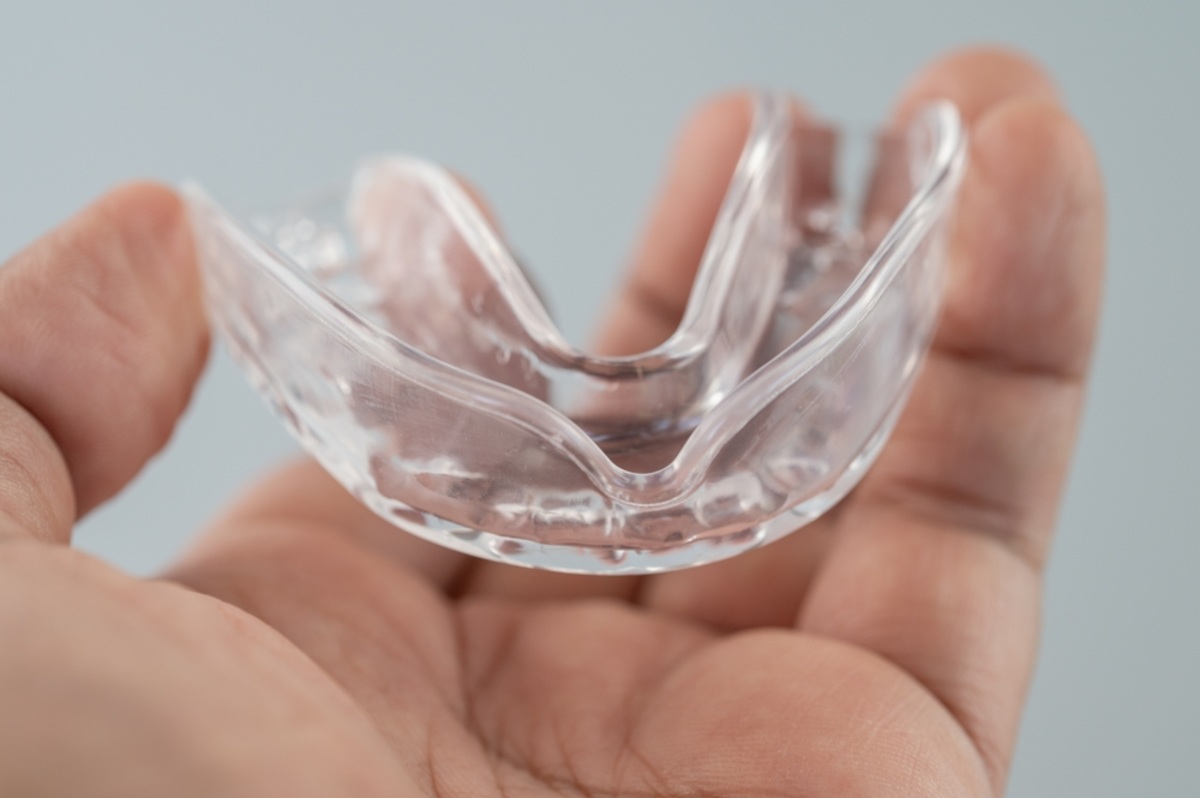
Why do jaw pain, headaches, and muscle tightness keep coming back? If you are searching for a dental clinic near you, you may be looking for better solutions for jaw pain, headaches, and muscle tightness that do not improve with basic care like night guards. These symptoms are often linked to TMJ (temporomandibular joint) issues, which affect how your jaw moves and functions.
These days, dental care includes advanced treatments such as TENS therapy and laser treatments. These options may further facilitate comfort and muscle relaxation.
Understanding TMJ Problems
TMJ issues happen when the jaw joint or surrounding muscles are not working smoothly. This can lead to discomfort in the jaw, face, and even in nearby areas such as the ears and scalp.
Common signs may include:
- Jaw clicking or popping.
- Headaches near the temples
- Jaw stiffness
- Pain while chewing
- Ear discomfort without infection
These symptoms can vary from person to person and may come and go over time.
Why TMJ Treatment Matters
TMJ Treatment in St. Albert involves addressing jaw muscle tension, restricted movement, and discomfort or dysfunction without invasive treatment. While many patients are given night guards, they don’t always work for every patient.
This is why newer therapies like TENS and laser treatment are being used to support muscle relaxation and improve comfort.
What is TENS Therapy?
TENS therapy uses small, gentle electrical pulses to help relax tight jaw muscles. It is not painful and is often used during dental visits to reduce muscle tension and help the jaw feel more relaxed.
Possible benefits of TENS therapy:
- Helps relax jaw muscles
- May reduce muscle tightness
- Supports natural jaw movement
- Can improve comfort during treatment
It is often used as part of a larger TMJ care plan.
How Laser Therapy Helps TMJ Symptoms
Laser therapy uses light energy to treat sore or swollen areas in the jaw muscles. It is a gentle treatment that may help reduce pain and support healing.
Possible effects include:
- Reduced muscle soreness
- Improved jaw mobility
- Decreased inflammation
- Increased comfort during daily activities
Laser therapy is non-invasive and does not involve needles or surgery.
When Night Guards Are Not Enough
Night guards help protect teeth from grinding, but they do not always solve the root cause of TMJ discomfort. Some patients continue to experience pain even after using a splint.
This is when additional therapies may be considered to manage symptoms better.
A dentist near you may suggest combining treatments based on symptom severity.
How Do I Know If My Ear Pain Is Actually a TMJ Issue?
Ear pain without infection can sometimes be linked to TMJ problems because the jaw joint sits very close to the ear. When jaw muscles are tight or inflamed, the pain can feel like it is coming from the ear.
Signs it may be TMJ-related:
- Ear pain with no infection
- Jaw discomfort at the same time
- Pain when chewing or speaking
- Clicking or popping near the jaw
A proper dental exam is needed to confirm the cause.
Can a TMJ Splint Fix My Jaw Alignment Without Surgery?
Using a TMJ splint may help better position the jaw and reduce muscle strain. It doesn’t permanently alter your bone structure, but it can help align your jaw by guiding it and reducing pressure on the joint.
Splints may assist with.
- Lowering pressure during grinding.
- Enhancing jaw comfort.
- Helping the muscles relax.
- Avoiding additional tension.
The effect of treatment varies from person to person.
Comparing TMJ Treatment Options
| Treatment Option | Main Purpose | Level of Care |
| Night Guards | Protect teeth from grinding | Basic support |
| TENS Therapy | Muscle relaxation | Moderate support |
| Laser Therapy | Reduce pain and inflammation | Advanced support |
Each option may be used alone or combined, depending on patient needs.
Who May Benefit From Advanced TMJ Treatments?
If you have ongoing jaw pain, you may need advanced TMJ treatment near you when basic care is not enough.
This may include people who have:
- Regular jaw pain or tightness
- Frequent headaches caused by jaw strain
- Ear pain without any infection
- Trouble chewing comfortably
A full check-up helps decide the best treatment for the problem.
What to Expect During Treatment
TMJ-related treatments are usually simple and non-surgical. Most therapies focus on comfort and muscle relaxation.
During visits, patients may experience:
- Gentle jaw muscle stimulation
- Light therapy sessions
- Short treatment times
- Gradual improvement in symptoms
Treatment plans are adjusted based on progress.
Find a Better Way to Manage Jaw and Muscle Strain!
Advanced TMJ care options, such as TENS therapy and laser treatments, provide additional support for patients with jaw pain and related discomfort. These methods focus on relaxing muscles, improving movement, and reducing strain when basic treatments are not enough.
For personalized evaluation and modern jaw pain solutions, visit Dentus Family Dental and book your appointment today.
FAQs
Is TENS Treatment Painful?
You will not feel pain with TENS therapy. This method involves a soft electrical stimulation that feels like a light tap by the practitioner’s finger.
How many treatments do I need for my TMJ?
The number of sessions depends on how severe the symptoms are and how well the plan works. Some clients may need a session or two, while some may need ongoing care.
Can TMJ cause headaches?
Yes, TMJ problems can sometimes cause headaches. Tight jaw muscles and joint stress can spread pain to the head or temple area.
Is laser therapy safe for TMJ?
Yes, laser therapy is generally safe and non-invasive. It is used to help reduce pain, support healing, and improve jaw movement over time.