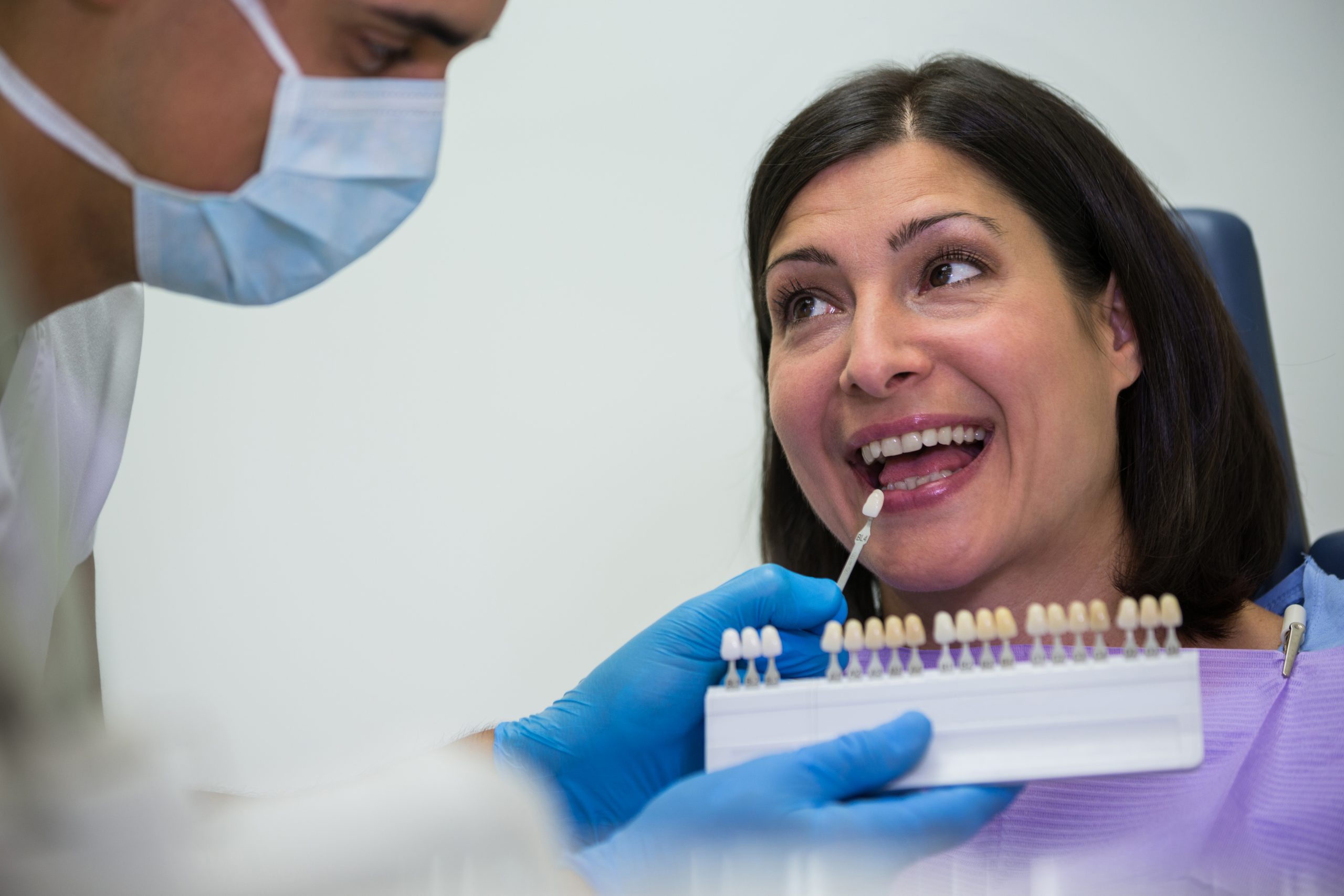
Getting a dental crown is a common dental procedure that helps protect and restore a damaged tooth. A crown covers the tooth and brings back its shape, strength, and function. After the treatment, proper care is very important. Good care helps the crown last longer and keeps the tooth and gums healthy. A dentist in St. Albert will always give basic instructions, but it also helps to understand simple daily care steps.
This guide explains what to do after getting a dental crown.
What Is a Dental Crown?
A dental crown is a cap placed over a tooth. It is used when a tooth is weak, broken, or has a large cavity. The crown protects the tooth structure and helps with chewing and speaking. Dental crowns can be made from different materials like porcelain, ceramic, or metal. A dentist will choose the right type based on the condition of the tooth. If someone is searching for dental crowns near you, it is important to choose a clinic that provides proper guidance after treatment.
What to Expect After Getting a Crown
After the crown is placed, it is normal to feel some mild discomfort. The tooth and gums may feel sensitive for a few days. This usually happens because the tooth was prepared before placing the crown.
Some people may notice:
- Mild pain when biting
- Sensitivity to hot or cold food
- Slight gum soreness around the crown
These symptoms usually go away in a few days. If the pain stays for a long time, it is important to visit a St. Albert dentist near you for a check-up.
What to Do After Getting a Dental Crown
Taking care of the crown starts from the first day. These simple steps can help avoid problems.
Be Careful While Eating
Avoid hard and sticky foods for the first few days. Foods like ice, nuts and chewing gum can damage the crown or loosen it. Try to eat soft foods until the tooth feels normal.
Maintain Good Oral Hygiene
Brush teeth two times a day using a soft toothbrush. Clean around the crown gently. Use fluoride toothpaste, as it helps protect the tooth under the crown. Flossing is also important. Move the floss gently to avoid pulling the crown.
Avoid Grinding Teeth
Teeth grinding, also called bruxism, can damage a dental crown. If grinding happens at night, a dentist may suggest a night guard.
Watch for Any Changes
Pay attention to how the crown feels. If it feels loose, uneven or painful, do not ignore it. Visit a dentist as soon as possible.
Follow Dental Visits
Regular dental check-ups help make sure the crown and surrounding teeth are healthy. A dentist checks for any early signs of damage or decay.
Foods to Avoid After a Dental Crown
Food choices play an important role in protecting the crown.
Avoid:
- Hard foods like ice and nuts
- Sticky foods like caramel and chewing gum
- Very hot or very cold foods if sensitivity is present
Choose:
- Soft foods like rice, yogurt, and cooked vegetables
- Foods that are easy to chew
Making careful food choices can prevent damage and discomfort.
How Long Does a Dental Crown Last?
A dental crown can last for many years if it is cared for properly. On average, crowns can last between 10 and 15 years. Good oral hygiene and regular visits to a dentist help increase one’s life expectancy. Avoiding harmful habits like nail biting or opening packets with teeth can also protect the crown.
Signs That Need Attention
It is important to know when to visit a dentist. Some warning signs include:
- Pain when biting
- Swelling in gums
- Crown feeling loose
- Bad smell or taste near the crown
These signs may mean there is a problem under the crown or with the fit. Early care can prevent bigger issues.
Importance of Choosing the Right Dentist
Choosing an experienced dentist is important for both treatment and aftercare. A skilled dentist ensures the crown fits properly and also explains clearly what to do after getting a dental crown. This helps protect the treated tooth and avoid future problems. If someone is searching for a dentist near you, it is helpful to choose a clinic that focuses on patient education and proper follow-up care.
Shield Your Damaged Teeth with a Dental Crown
At Dentus Family Dental, we use dental crowns to protect weak or broken teeth. Our crown covers the tooth and restores its shape, strength, and function. This treatment helps improve chewing and keeps the tooth safe from further decay or damage. Our dentist carefully checks the tooth and places a custom crown for a proper fit. Book an appointment with us today for strong and healthy teeth.
Frequently Asked Questions
1. How long does a dental crown usually last?
Most crowns last between 5 and 15 years. If someone brushes and flosses well and avoids chewing on hard objects, the crown can last much longer.
2. Is it normal for the gum around the crown to be sore?
Yes, it is common for the gum tissue to be a little red or tender for a day or two after the appointment. Rinsing with warm salt water can help the gums feel better faster.
3. What should be done if a crown falls off?
If a crown comes off, keep it clean and put it in a small container. Call a dental clinic right away. Do not try to glue it back on with superglue! A professional needs to clean the tooth and use special dental cement to put it back.
4. Can a dental crown get stained like real teeth?
Porcelain crowns are very good at resisting stains from juice or food. However, they also cannot be whitened with bleaching gels. This is why it is important to keep the surrounding natural teeth clean so the colors continue to match.