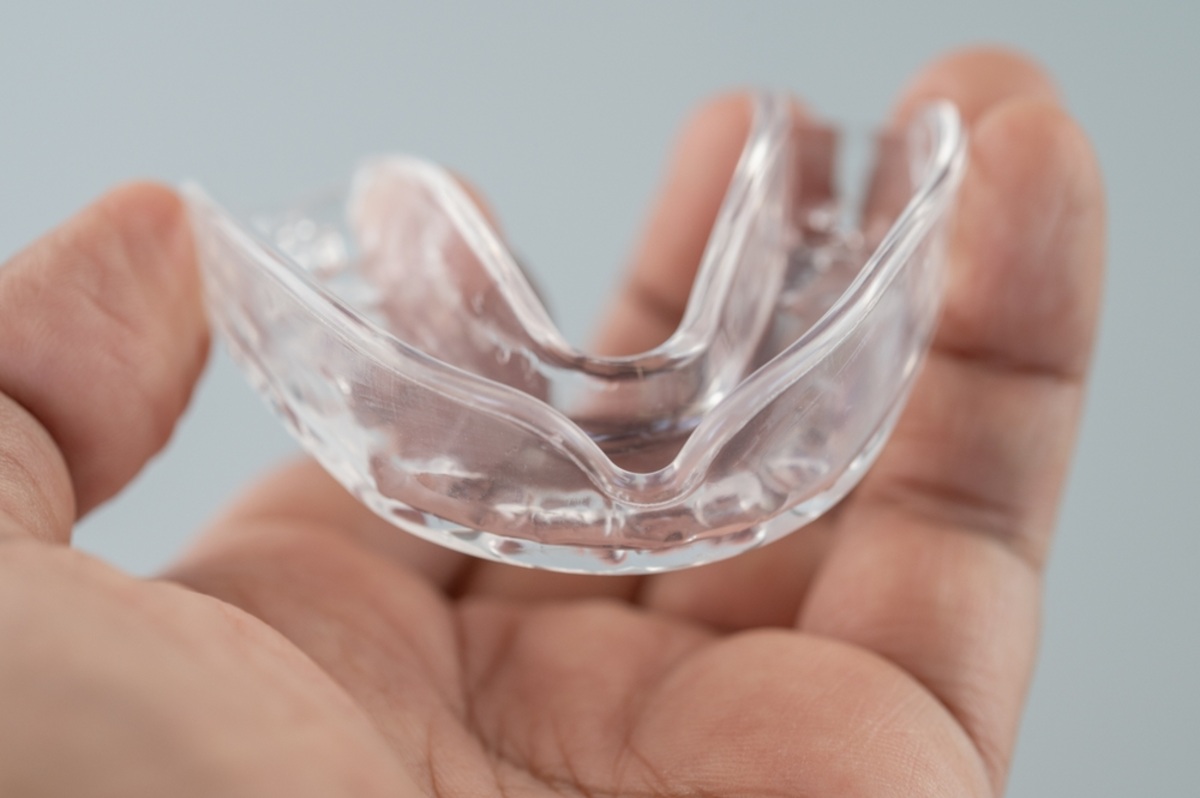
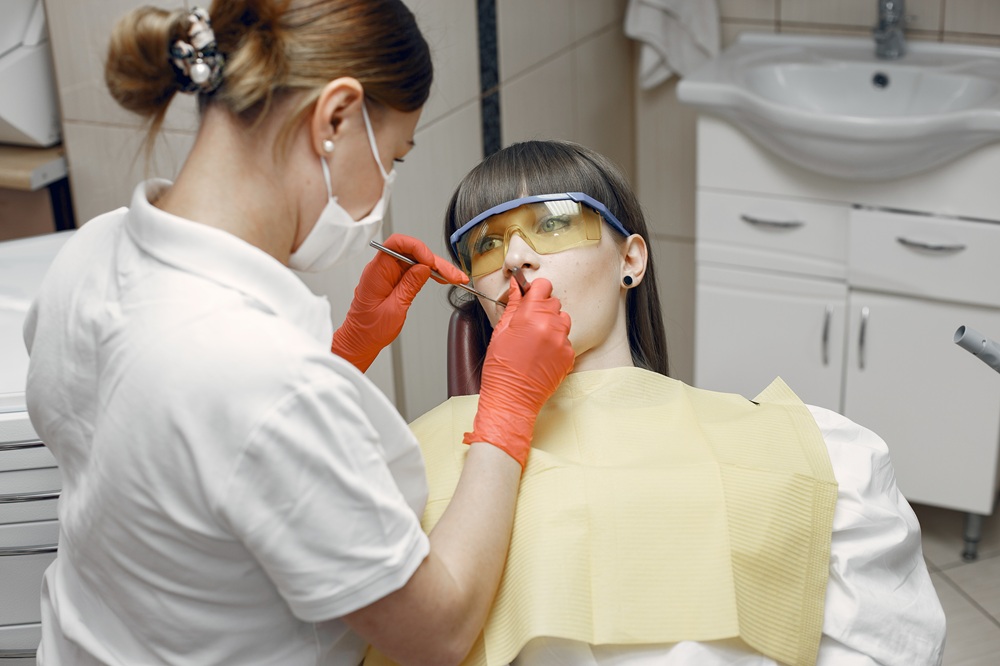
Dental sealants are thin coatings placed on the chewing surfaces of back teeth. They cover small grooves where food and bacteria can get stuck, helping prevent cavities. Over time, chewing can cause the sealant to crack, chip, or wear away. This may reduce its protection, but it does not always mean the tooth has a cavity. A dentist can check dental sealants in St. Albert to see if they are still in good shape. If a sealant is damaged, it may need to be fixed or replaced. Regular dental checkups help detect problems early and protect your teeth.
What Happens When a Dental Sealant Chips?
A chipped sealant leaves part of the tooth’s chewing surface less protected. Food and bacteria may collect in the uncovered grooves, which can increase the risk of tooth decay.
A small chip may not cause pain or any clear signs. The damage can be difficult to see without a dental check.
If a sealant chips, the dentist may:
- Check how much of the coating remains.
- Look for early signs of tooth decay.
- Repair the damaged area or replace the sealant if needed.
- Recommend a filling if a cavity has already formed.
A damaged sealant should not be ignored, even if the tooth feels normal.
Why Do Dental Sealants Wear Away?
Sealants are made to handle everyday chewing, but they do not last forever. Their lifespan depends on the material used, the tooth’s position, and the pressure placed on it.
Common reasons for wear include:
- Chewing pressure: Repeated biting can gradually wear down the coating.
- Teeth grinding: Clenching or grinding may put extra pressure on the sealant.
- Normal wear over time: The coating may become thinner or lose parts of its surface.
- Early bonding problems: If the sealant does not attach properly when placed, it may come loose sooner.
Dental sealants in St. Albert can be examined to determine whether the coating still covers the grooves or needs attention.
What Should You Do if a Sealant Falls Off?
If a sealant falls off or looks damaged, arrange a dental check rather than trying to fix it at home. Avoid picking at the tooth or using household glue or other products.
Until the tooth is checked:
- Brush twice daily with fluoride toothpaste.
- Clean between the teeth every day.
- Limit frequent sugary snacks and drinks.
- Chew carefully if the tooth feels uncomfortable.
- Keep regular dental appointments.
A dentist at a dental clinic near you can check the tooth and decide if the sealant needs fixing or replacing. If you have pain, sensitivity, or a hole in your tooth, see a dentist soon.
Does a Chipped Sealant Mean You Have a Cavity?
No. A chipped or missing sealant does not automatically mean tooth decay has developed. It means that part of the tooth may no longer have the same level of protection.
A dentist can examine the tooth and may use dental X-rays if needed to look for decay that cannot be seen during a visual check. If no cavity is present, the sealant may be repaired or replaced. If decay has formed, a filling may be needed, depending on its size and depth.
Getting the tooth checked helps identify the right treatment instead of guessing based on how it looks or feels.
How Can You Help Sealants Last Longer?
Good daily care can help protect the teeth around the sealants and reduce the risk of cavities.
Helpful habits include:
- Brush twice a day with fluoride toothpaste.
- Clean between teeth daily.
- Avoid chewing hard objects, such as ice or pens.
- Limit sugary foods and drinks between meals.
- Attend regular dental checkups at a dental clinic in St. Albert, so sealants can be checked.
These habits cannot prevent every chip or worn area, but they help support good oral health.
Protect Your Smile With the Right Care
A chipped or worn dental sealant does not always mean a cavity has formed, but checking it early can help prevent further problems. Burnaby Square Dental can examine your teeth, check the condition of your sealants, and explain whether a repair or replacement is needed. Book your appointment today to get your sealants checked and learn how to keep your teeth healthy and protected.
FAQs
Can a chipped sealant be repaired?
Yes. If only part of the coating is damaged, the dentist may repair that area. A sealant that has mostly worn away may need to be replaced.
Can a missing sealant cause tooth pain?
Not always. A tooth may not hurt if the sealant is gone. Pain or sensitivity may happen if a cavity forms or another problem develops.
How long do dental sealants last?
Sealants can last for several years. Regular dental checkups help find cracks or wear.
Can adults get dental sealants?
Yes. Adults can get sealants if their teeth have deep grooves that may trap food and cause cavities. A dentist can check if sealants are right for them.