Have you ever wondered why someone might initially need to have a tooth extracted? Maybe you’re looking for professional aftercare advice for a speedy recovery. Teeth extraction healing is a vital phase, and understanding the timeline is essential for every patient.
Tooth extractions with stitches can be a concerning but necessary procedure. Understanding the process, the reasons behind it, and the vital steps to promote healing is crucial. Furthermore, understanding the surgical procedure, the scenarios that lead to this treatment, essential aftercare tips, and the foods to avoid to ensure a smooth and speedy recovery.
What is the Procedure of Surgical Tooth Extraction?
The meticulously prepared surgical tooth extraction procedure ensures a safe and successful tooth removal. The precautions that dentists take to assure your comfort and a successful extraction are numerous.
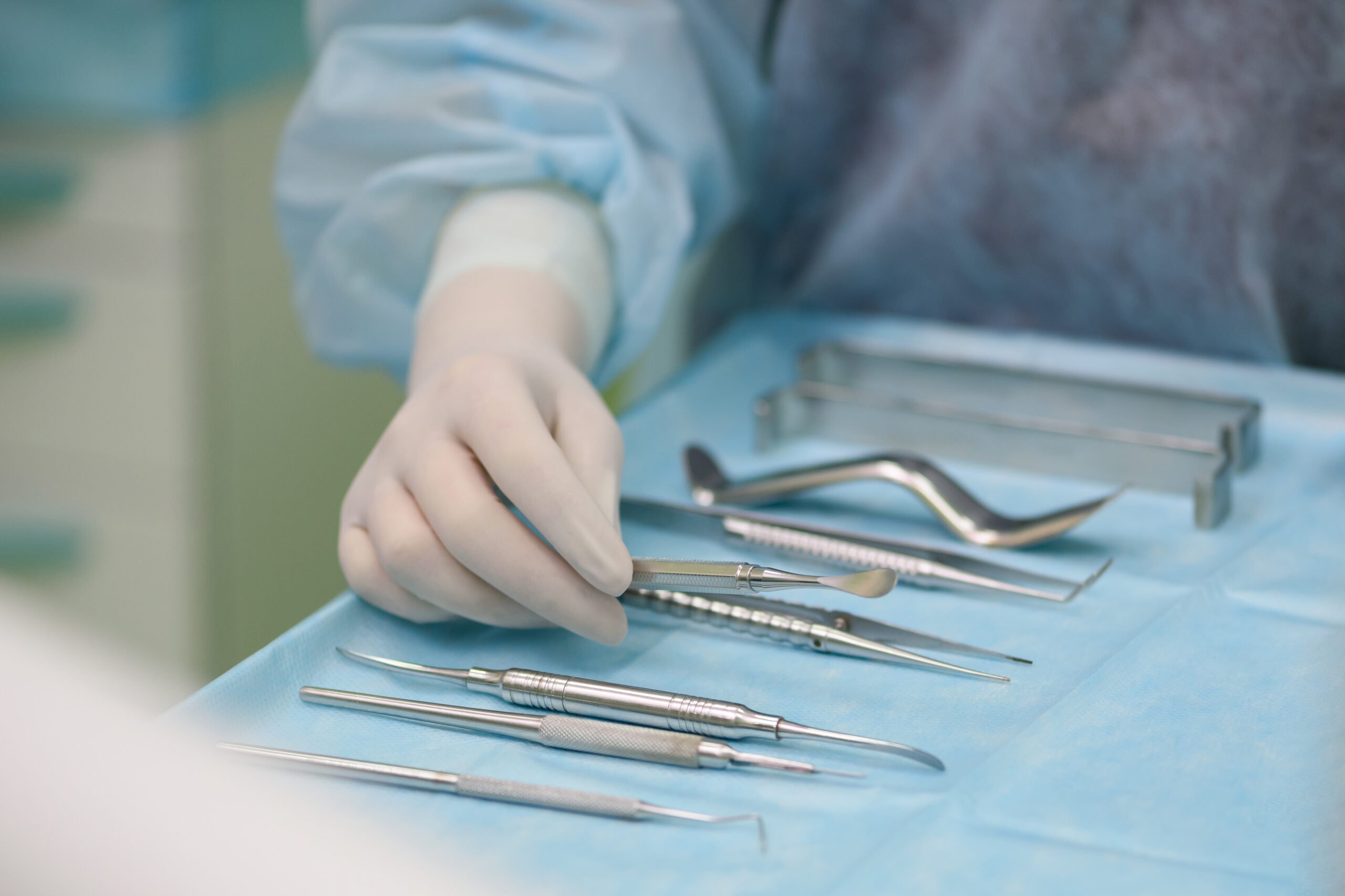
The surgical tooth extraction procedure involves precise steps, including anesthesia, incision, tooth removal, and stitching to ensure a smooth recovery.
The target area in the mouth is numbed with anesthetic, a precise incision is made to reach the tooth, and occasionally the tooth is cut into smaller pieces for simpler removal. After that, the wound is closed with stitches. Patients feel more at ease because of this thorough treatment, which guarantees a quick and effective extraction.
Why Would a Person Need a Tooth Extraction?
It’s critical to comprehend the rationale behind tooth extractions. People may need to have teeth extracted for several reasons, including serious tooth decay, gum disease, impacted wisdom teeth, or orthodontic requirements. Patients who are having this surgery can better understand its value to their overall dental health by going over these scenarios.
What are the Aftercare Tips to Follow?
A quick and painless recovery requires adequate aftercare following your surgery. First and foremost, it’s essential that you adhere to all the instructions that your dentist or oral surgeon provides; doing so will help you avoid potential injuries like infection or cavities.
With that said, it is normal to experience some symptoms upon the conclusion of your appointment. This includes soreness and swelling. To manage any pain, you will be able to take over-the-counter medications like Advil and Tylenol. Avoid eating hard/crunchy foods, and maintain practicing good dental hygiene. Attending check-ups so your dentist can evaluate how your healing is important as well.
Foods to Avoid After the Surgery
Your food considerably influences the healing process. It’s best if you avoid items that could negatively interfere with or stall the healing process, such as:
- Popcorn
- Acidic substances (ie: lemon juice, orange juice)
- Spicy foods
- Alcohol
- Nuts and seeds
- Crunchy snacks (ie: chips, crackers
- Chewy foods (ie: jerky and sticky taffy)
- Foods high in sugar
A major component of achieving a speedy recovery is maintaining dietary awareness. Knowing the tooth extraction recovery time empowers patients to plan and manage their post-extraction healing effectively.
Contact Our Local Team: Your Trusted Ally for Oral Health
Dentus Family Dental is your committed partner in obtaining and maintaining excellent oral health. If you’re in St. Albert and require dental care, finding the right dentist in St. Albert is the first step toward a successful tooth extraction and recovery process.
We do more than just provide dental care. Our dedication extends beyond the clinical facets because we recognize the value of trust, compassion, and individualized treatment.
Your path to a happier, healthier smile that exudes confidence begins the moment you come into our clinic. Our goal is to equip you with the information and tools you need to make wise choices about your oral health. We encourage you to contact us today!
FAQs
How long does it take for a tooth extraction to heal with stitches?
The gum closes over in about 1 to 2 weeks when stitches are used, and the socket surface heals in 3 to 4 weeks. The bone underneath continues filling in for 3 to 6 months. Stitches themselves either dissolve in 7 to 14 days or are removed at a one-week follow-up.
Do stitches make a tooth extraction heal faster?
Stitches don’t speed up bone healing, but they do hold the gum edges together, reduce bleeding, protect the blood clot, and lower the risk of food packing into the socket. That makes the early days more comfortable and reduces the chance of complications like dry socket.
When do dissolvable stitches fall out after a tooth extraction?
Dissolvable stitches usually loosen and fall out on their own between day 7 and day 14. It’s normal to find a small thread in your mouth or on your pillow. Don’t pull at a stitch that’s still attached — if one is irritating you, ask your dentist to trim it.
What does normal healing look like after an extraction with stitches?
Days 1–3: swelling peaks then starts to reduce; mild oozing is normal. Days 4–7: swelling and bruising fade, the socket looks whitish-grey — that’s healing tissue, not infection. Week 2: gum edges have closed, stitches gone. Week 3–4: the site looks like normal gum.
What are the signs something is wrong after an extraction?
Warning signs include pain that starts getting worse around day 3 to 5, a bad taste or smell, an empty-looking socket, fever, swelling that increases after day 3, or bleeding that won’t stop with 30 minutes of firm gauze pressure. Contact your dentist the same day.
What should I eat after a tooth extraction with stitches?
Stick to cool, soft foods for the first 24 to 48 hours — yogurt, smoothies eaten with a spoon, mashed potato, soup once cooled, scrambled eggs. Avoid straws, smoking, hot liquids, alcohol, and anything crunchy or seedy for at least a week to protect the clot and the stitches.
When can I brush near the extraction site?
Brush your other teeth normally from the same evening, but avoid the extraction site itself for the first 24 hours. From day 2, brush very gently around the area and rinse with warm salt water after meals. Don’t rinse forcefully or spit hard for the first three days.
How long should I take off work after an extraction with stitches?
Most people take 1 to 2 days off for a simple extraction and 2 to 3 days for a surgical one with stitches. If your job involves heavy lifting or physical exertion, allow 3 to 5 days, since exertion raises blood pressure and can restart bleeding.