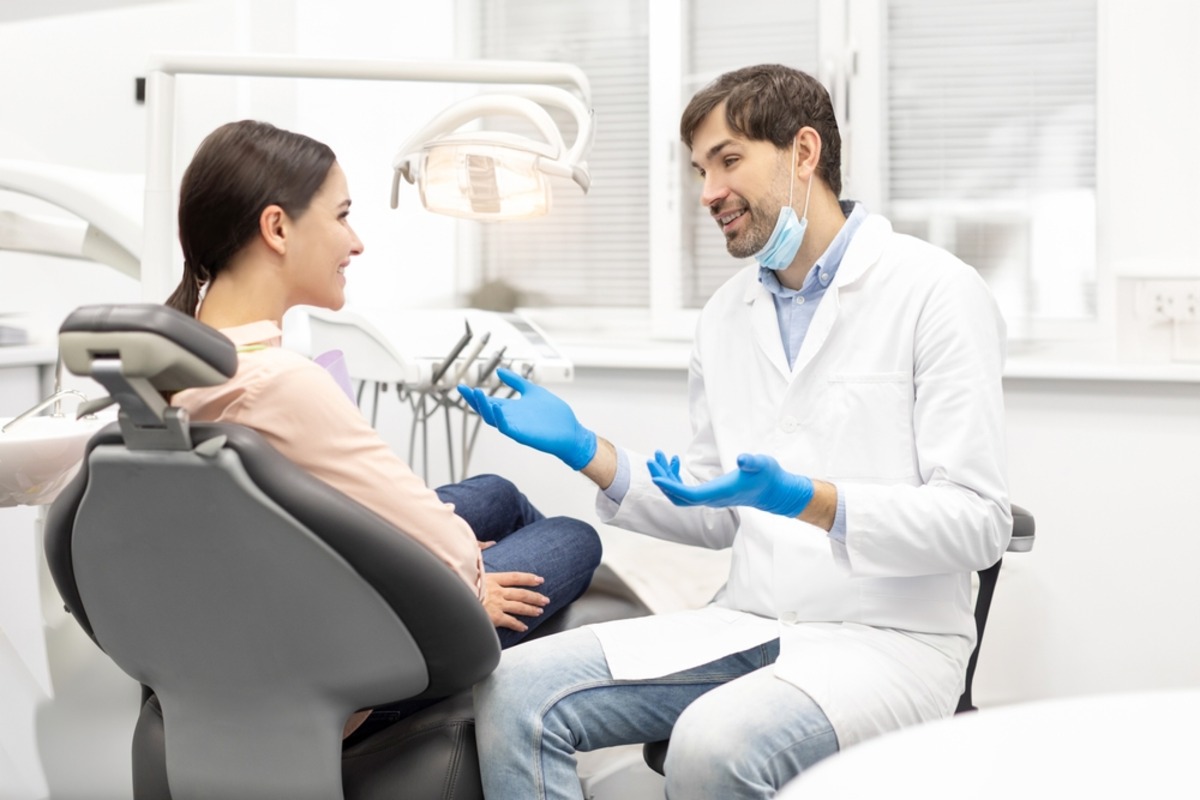
Getting a tooth removed through surgery is a common procedure that helps protect the rest of your smile from infection or crowding. While the idea of surgery might sound a bit scary, the recovery process is usually very smooth if you follow a few simple steps. By taking care of the area properly, you can avoid complications and get back to your normal routine in just a few days.
If you are feeling any discomfort or think you might have a problem tooth, searching for a dentist near you is the best way to get a professional opinion and start your path to feeling better.
What Happens During the First 24 Hours?
The first day after your procedure is the most important time for healing. Your main goal is to allow a blood clot to form in the spot where the tooth used to be. This clot acts like a natural bandage that protects the bone and nerves underneath. If the clot gets dislodged, it can lead to a painful condition called “dry socket,” so you have to be very gentle.
When you receive a surgical teeth extraction in St. Albert, your dental team will give you a piece of gauze to bite down on. You should keep firm pressure on this gauze for at least 30 to 45 minutes. This helps stop any bleeding and encourages that important clot to stay in place.
Managing Comfort and Swelling
It is normal to have some swelling or a little bit of an ache after the freezing wears off. You can use an ice pack on the outside of your cheek to keep the swelling down. A good trick is to use the ice for 20 minutes on and then 20 minutes off for the first afternoon.
Many patients ask, “Is surgical tooth extraction painful during the recovery phase?” Most people find that the discomfort is easily managed with basic over-the-counter pain relief. Usually, by the second or third day, you will start to feel much more like yourself as the gum tissue begins to close up.
Important Things to Avoid
To keep the healing site safe, there are a few things you should skip for at least the first two days:
- No Straws: The suction from a straw can pull the blood clot right out of the socket.
- No Spitting: This also creates pressure that can disturb the healing area.
- No Smoking: Chemicals in smoke can slow down healing and increase the risk of infection.
- No Heavy Lifting: Strenuous exercise raises your blood pressure, which can cause the site to start bleeding again.
What to Eat and Drink
If you are asking, “What should I eat after tooth extraction?” Knowing the answer will prevent hurting your mouth. For the first day, stick to a liquid or very soft diet. You want foods that don’t require any chewing and won’t get stuck in the extraction site.
| Day 1 – 2 (Very Soft) | Day 3 – 5 (Semi-Soft) | Foods to Avoid |
| Yogurt and Pudding | Scrambled Eggs | Popcorn and Seeds |
| Lukewarm Soup | Mashed Potatoes | Spicy Peppers |
| Smoothies (No straw!) | Soft Pasta | Crunchy Chips |
| Apple Sauce | Flaky Fish | Hard Crusty Bread |
As you start to feel better, you can slowly add more solid foods back into your meals. Just make sure to chew on the opposite side of your mouth until the area is fully healed.
Keeping Your Mouth Clean
Within the first 24 hours of your extraction, you should avoid brushing right next to your extraction site, but you still need to keep the rest of your mouth clean. After the day of the procedure, begin rinsing gently with warm salt water. This helps to kill the bacteria and leaves a clean area without rubbing the surface hard.
Mix about half a teaspoon of salt into a cup of warm water. Instead of swishing aggressively, just tilt your head from side to side and then let the water fall out of your mouth into the sink. This is the safest way to maintain hygiene after a surgical teeth extraction.
When to Call Your Dental Provider
Most of the time, recovery goes perfectly. However, you should keep an eye out for a few “red flags.” If you notice a fever, chills, or if the pain gets much worse after the third day, it is time to call for a checkup. Severe swelling that makes it hard to breathe or swallow is also a sign that you need help right away.
Remember that a little bit of pink-colored saliva is normal for the first day, but heavy red bleeding that doesn’t stop with gauze should be looked at by a professional.
A Smooth Path to a Healthy Smile
Surgical extractions are a tool used to keep your whole mouth healthy. Whether it was a wisdom tooth causing trouble or a tooth that was too damaged to save, removing it often prevents much bigger problems later on. By following these recovery tips, you ensure that your mouth heals quickly and stays strong.
At Dentus Family Dental, we focus on your comfort and peace of mind as soon as you enter through our doors. You can count on our caring staff to help you every step of the way with clear instructions and gentle care. We believe that you should feel at ease, that you should feel safe, and that you should feel comfortable coming for treatment.
Our expert professionals will help you with anything if you have a toothache or want advice on your post-care.
Frequently Asked Questions
How long does it take for the hole to close?
While the gum tissue usually closes up in about one to two weeks, the bone underneath can take several months to fully fill back in. You will notice the “hole” getting smaller every day as your body repairs the area.
Can I brush my teeth after surgery?
Yes, but be very careful! You should brush your other teeth normally, but avoid the extraction site entirely for the first 24 hours. After that, use a very soft brush and move slowly around the area to keep it clean without poking the sensitive spot.
When can I go back to work or school?
Most people can go back to their normal routine the very next day. However, if your job involves a lot of heavy lifting or talking, you might want to take two days off to let the initial swelling go down and ensure you get enough rest.
What should I do if I think I have a dry socket?
If you feel an intense, throbbing pain that starts a few days after surgery and seems to travel up toward your ear, call your dentist. They can place a special medicated dressing in the socket that stops the pain almost instantly and helps it start healing again.