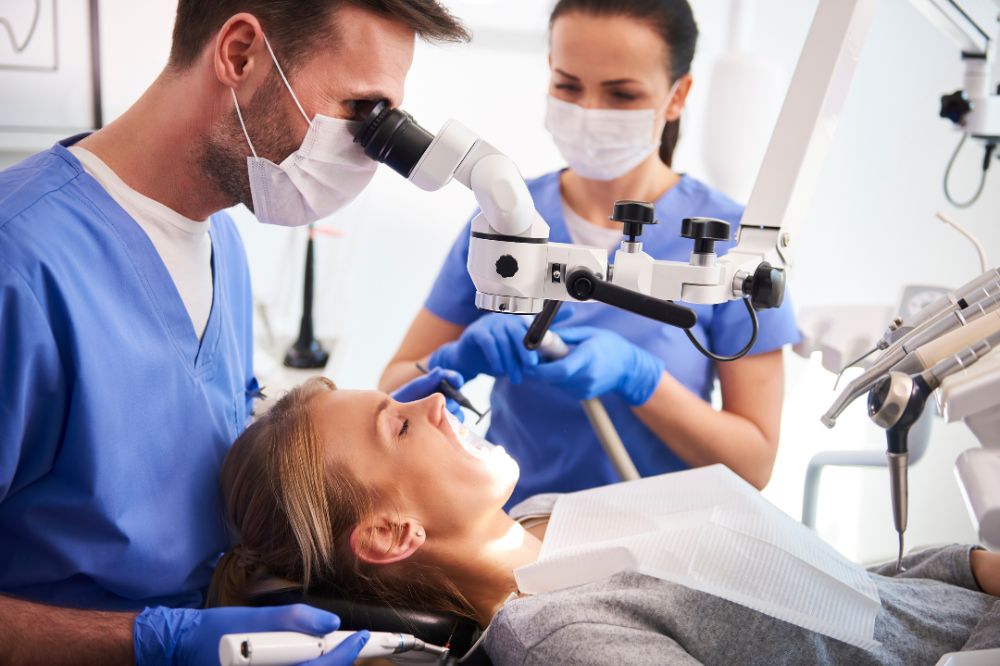
Many people wake up with a severe headache and think it is just a normal migraine. However, the cause might not be in the head at all. It could start in the jaw. Dentists call this area the Temporomandibular Joint, or TMJ for short. This joint acts like a sliding hinge that connects the jawbone to the skull. When this joint does not work correctly, it can cause a lot of pain. If this happens often, visiting a dentist near you can help find the cause and provide the right treatment.
What is a TMJ Disorder?
A TMJ disorder happens when the jaw joint and the muscles around it get tired or hurt. This can happen from grinding teeth at night, clenching the jaw when stressed, or if the teeth do not line up properly. When the jaw is out of place, it puts pressure on the nerves and muscles nearby. The body is all connected. The muscles used for chewing are linked to the muscles in the face and the neck. When the jaw muscles get tight, that tightness spreads. This is often how a jaw problem turns into a full-blown migraine.
How TMJ Disorders Trigger Migraines
The jaw joint is close to important nerves and muscles in the head. When the TMJ is not working well, it puts pressure on these areas.
Here is how TMJ problems can lead to migraines:
Muscle Tension
The muscles around the jaw can become tight due to TMJ disorder. This tension can spread to the head and neck. Over time, it can trigger migraine pain.
Nerve Irritation
The trigeminal nerve is a major nerve in the face. It is linked to both jaw movement and head pain. When the TMJ is inflamed, this nerve can get irritated and cause migraines.
Teeth Grinding (Bruxism)
Many people grind their teeth, especially during sleep. This puts stress on the jaw joint. Constant pressure can lead to both TMJ pain and migraines.
Poor Bite Alignment
If the upper and lower teeth do not fit well, the jaw works harder. This can strain the joint and muscles, leading to headache and migraine symptoms.
Signs That TMJ May Be Causing Migraines
It is important to notice the signs early. TMJ-related migraines may include:
- Pain starting near the jaw and moving to the head
- Headaches after waking up
- Jaw stiffness with headache
- Clicking sound with head pain
If these signs are present, it may be helpful to visit a dentist near you for proper evaluation.
TMJ Therapy for Migraines
Treatment for TMJ disorders can help reduce migraine pain. A dentist may suggest different options based on the condition.
Some common TMJ therapy for migraines include
- Night Guards: A custom mouth guard helps to stop teeth grinding and reduces pressure on the jaw.
- Jaw Exercises: Simple exercises can help to improve jaw movement and reduce muscle tension.
- Medications: Anti-inflammatory drugs may help to control pain and swelling.
- Bite Adjustment: Fixing the way the upper and lower teeth come together can help reduce pressure on the jaw joint.
- Stress Management: Relaxation methods can reduce clenching and muscle tightness.
Early care can prevent the condition from getting worse.
Dental Migraine Prevention Tips
To help keep the jaw happy and the head clear, follow these simple steps:
- Rest the Jaw: Avoid chewing gum or eating very hard foods like ice or tough candy.
- Watch the Posture: Sitting up straight helps the neck and jaw stay in a natural position.
- Avoid Tooth Grinding: Pay attention if the teeth are touching during the day. They should only touch while eating.
- Heat or Cold: Using a warm cloth on the jaw can help tight muscles loosen up.
By following these dental migraine prevention tips, the jaw stays healthy. When the jaw is healthy, the risk of getting a painful migraine goes down significantly.
Why Professional Help Matters
If headaches happen often, it is important to get a checkup for proper migraine pain prevention in St. Albert. A dentist can use special tools to see if the jaw joint is worn down. They can also check if the bite—the way top and bottom teeth meet—is uneven. Fixing an uneven bite can stop the jaw from working too hard.
Managing TMJ is a smart way to handle chronic pain without just taking pills. It focuses on fixing the root cause instead of just hiding the pain.
Call Dentus Family Dental Today!
Dentus Family Dental provides complete dental care for patients of all ages. We offer checkups, cleanings, TMJ care, and more using modern dental tools. Our team focuses on oral health, pain control, and proper diagnosis. We provide a clear treatment plan at each visit to support healthy teeth and gums in a safe setting. Call Dentus Family Dental today to book an appointment.
FAQs:
1. Can a dentist really stop my headaches?
Yes. If the headaches are caused by jaw tension or teeth grinding, a dentist can create a treatment plan to relax those muscles and stop the pain.
2. What does TMJ therapy feel like?
It is usually very simple. It often involves wearing a comfortable plastic guard at night or doing special jaw exercises to help the joint move smoothly.
3. How do I know if my headache is from my jaw?
Look for signs like a clicking sound when opening the mouth, a sore jaw in the morning, or pain right in front of the ears.
4. Does stress make TMJ worse?
Yes. Many people clench their teeth when they are worried. This puts extra stress on the TMJ and can lead to more frequent migraines.
5. Will I have to wear a mouthguard forever?
Every person is different. Some people only need it during stressful times, while others wear it every night to keep their jaw in the right place and prevent pain.