Invisalign Near You
Crowded teeth, small gaps, and bite concerns can make cleaning, chewing, or smiling feel less comfortable. At Dentus Family Dental, we provide Invisalign in St. Albert for teens and adults who want to straighten their teeth using removable clear aligners.
If you are looking for Invisalign near you, the first step is an assessment. Clear aligners can treat many concerns, but they are not appropriate for every case. We examine your teeth, gums, bite, and jaw and explain whether this option is a good fit for your oral health, treatment needs, and daily routine.
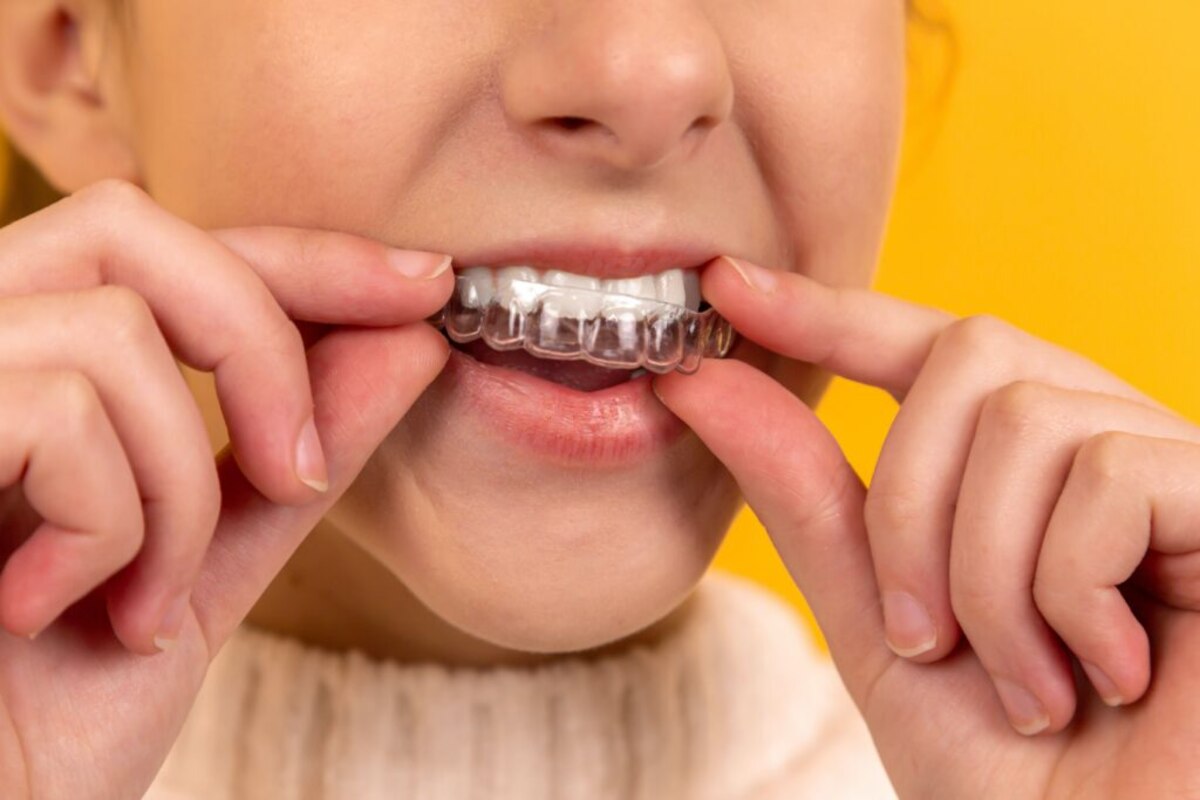
What Is Invisalign?
Invisalign uses a series of custom-made plastic aligners to move teeth gradually. Each aligner applies pressure to selected teeth and is worn for a set period before moving to the next one.
The trays are removable, so you can take them out during meals, brushing, and flossing. They must still be worn for most of the day to keep the treatment progress as planned. Leaving them out too often may delay progress or affect how well the next tray fits.
Tooth-coloured attachments may be placed on certain teeth. These shapes help the aligners grip and guide movement. Some patients may also need elastic bands or minor enamel reshaping between selected teeth.
What Concerns Can Clear Aligners Treat?
Clear aligners may be used for a range of alignment and bite concerns, depending on the complexity of the case, including:
Crowded or overlapping teeth
Small spaces between teeth
Teeth that moved after previous orthodontic treatment
Certain overbites or underbites
Certain crossbites
Some open-bite concerns
Rotated or tilted teeth
Uneven spacing across the smile
Veneers cannot treat active decay, gum disease, severe fractures, major bite problems, or advanced tooth wear. These concerns may need treatment before cosmetic work begins.
What Are the Benefits of Invisalign?
Discreet appearance
The trays are transparent and less noticeable than metal brackets.
Removable design
You can remove them while eating, brushing, and flossing.
No food restrictions
Because the trays come out for meals, you can continue eating most foods.
Easier cleaning
There are no fixed wires or brackets to brush around.
Smooth material
The aligners do not contain sharp metal edges.
Planned movement
Digital treatment planning maps out how selected teeth are expected to shift.
Fewer unexpected repairs
There are no loose brackets or broken wires, although trays can still be lost or damaged.
If you need a dental clinic near you for orthodontic care, we will compare clear aligners with other suitable choices before you decide.

Who May Be a Good Candidate for Invisalign?
Invisalign may suit patients who have healthy teeth and gums, manageable alignment concerns, and the commitment to wear their trays as directed.
A candidate should be willing to:
Wear the aligners for the recommended number of hours each day
Remove them before eating or drinking anything except water
Brush before putting them back in
Change trays according to the schedule
Attend progress appointments
Keep the aligners clean and stored safely
Wear retainers after active treatment
Cavities, gum disease, broken teeth, or other dental problems may need care first. Treatment may not be recommended if the required tooth movements cannot be completed predictably with aligners.
Invisalign and Traditional Braces
Both options move teeth, but the daily experience is different.
| Feature | Clear Aligners | Traditional Braces |
|---|---|---|
| Appearance | Clear trays cover the teeth | Brackets and wires remain visible |
| Removal | Taken out for eating and cleaning | Fixed until treatment is complete |
| Food choices | Most foods are allowed after tray removal | Hard or sticky foods may need to be limited |
| Oral hygiene | Teeth can be brushed and flossed normally | Cleaning requires extra care around brackets |
| Patient responsibility | Trays must be worn consistently | Braces work continuously while attached |
| Suitable cases | Many alignment and bite concerns | Can be used for simple or complex movements |
How Does the Invisalign Process Work?
When we provide Invisalign in St. Albert, we usually follow these steps:
Discussing your concerns
We ask what you want to change and whether you have had orthodontic treatment before.
Examining your mouth
The dentist checks your teeth, gums, bite, jaw movement, and existing dental work.
Taking records
Photographs, X-rays, and a digital scan or impressions may be needed for planning.
Reviewing suitability
We explain whether clear aligners can manage the tooth movements required.
Creating the plan
Digital planning shows the intended sequence of movement and estimated number of trays.
Receiving your aligners
The first trays are checked for fit, and instructions are provided.
Adding attachments when needed
Small tooth-coloured shapes may be bonded to selected teeth.
Changing trays
You move to a new set according to the schedule provided.
Checking progress
Follow-up visits allow the dentist to review fit, movement, and oral health.
Making refinements
Additional scans and trays may be needed if certain teeth require more movement.
What Is Daily Life With Aligners Like?
Wearing the Trays
Wear your aligners for the hours recommended by your dentist. Remove them only for meals, drinks other than water, brushing, and flossing.
Eating and Drinking
Take the trays out before eating. Hot drinks can warp the plastic, while sugary or acidic drinks trapped underneath may increase the risk of cavities.
Cleaning Your Aligners
Rinse the trays when you remove them and brush them gently with a soft toothbrush. Avoid hot water. Use only cleaning products recommended for clear aligners.
Storing Them Safely
Place the trays in their case whenever they are not in your mouth. Wrapping them in tissue can lead to accidental loss or damage.
How Long Does Treatment Take?
Treatment time depends on how much the teeth need to move. Minor changes may take a few months, while more involved alignment or bite concerns can take longer.
Wearing the aligners as instructed will help to keep treatment on schedule. Leaving them out for too long may delay progress or affect how the next tray fits. Some patients may need extra trays near the end to complete the remaining movements.
Why Are Retainers Needed?
After Invisalign treatment, teeth can gradually move back toward their previous positions. The bone and tissues around them need time to settle and adjust to the new alignment.
Retainers hold the teeth in place while this happens. Wearing them as directed helps protect the results and reduces the chance of unwanted shifting.
Why Choose Dentus Family Dental for Invisalign?
At Dentus Family Dental, our dentist in St. Albert considers your oral health, bite, goals, and ability to manage aligners before recommending treatment.
If you choose us for Invisalign near you, you can expect:
Full assessment
We check your teeth, gums, bite, and any existing dental work.
Clear recommendations
We explain whether aligners can manage your concern or another option may work better.
Digital planning
We use scans and treatment software to plan how your teeth are expected to move.
Regular reviews
We monitor tray fit, oral health, and progress throughout care.
Helpful instructions
We explain how to wear and clean your aligners and what to do if one of the trays is lost or damaged.
Retention planning
We discuss how to maintain the result after treatment.
Take the First Step Toward Straighter Teeth
Clear aligners can improve selected alignment and bite concerns without fixed brackets. Dentus Family Dental offers Invisalign in St. Albert after a careful assessment and personalized treatment planning.
If you are considering Invisalign near you, schedule a consultation with our team. We will examine your teeth, explain your choices, and help you decide whether clear aligners suit your needs.
Frequently Asked Questions
How many hours a day should I wear my aligners?
Most patients are instructed to wear them for about 20 to 22 hours daily. Follow the schedule provided for your treatment.
Does Invisalign treatment hurt?
You may feel pressure or mild soreness after starting a new tray. This usually settles as your mouth adjusts. Contact the clinic if pain is severe or does not improve.
Can I eat while wearing the trays?
No. Remove the aligners before eating and before drinking anything except water. Brush your teeth before putting them back in.
What happens if I lose an aligner?
Contact the clinic for instructions. Depending on your progress, you may be told to wear the previous tray, move ahead, or order a replacement.
Can I whiten my teeth during treatment?
Ask the dentist before using whitening products. Attachments and tooth movement may affect timing and how evenly the colour changes.
Will clear aligners affect my speech?
A slight lisp may occur at first. Most people adjust after speaking with the trays for a few days.
Can teenagers use Invisalign?
Yes, clear aligners may work for teens who can wear them as instructed and keep both their teeth and trays clean. Suitability also depends on the type of tooth and bite correction needed.
How much does Invisalign cost?
Cost depends on the complexity of the case, estimated treatment length, number of trays, and whether refinements are needed. An estimate is provided after assessment.
Are clear aligners covered by insurance?
Some dental plans include orthodontic benefits. Coverage and limits vary, so contact your insurance provider to confirm your plan.
What happens after the last aligner?
After the final aligner, we check your teeth and remove any remaining attachments. Retainers are then provided or arranged to help keep your teeth in their new positions.