Root Canal Therapy Near You
A deep cavity, crack, or injury can allow bacteria to reach the soft tissue inside a tooth. This may cause pain, swelling, or lasting sensitivity. At Dentus Family Dental, we provide root canal therapy in St. Albert to remove infected or damaged tissue and help preserve the tooth.
If you are searching for root canal therapy near you, our team will examine the area, review your symptoms, and take X-rays when needed. We will explain whether treatment or removal is the right next step. Prompt care can help reduce discomfort and limit the risk of the problem becoming more serious.

What Is Root Canal Therapy?
Root canal therapy treats the inside of a tooth when the pulp becomes inflamed or infected. The pulp contains nerves, blood vessels, and soft tissue and may be affected by deep decay, a crack, or an injury.
During treatment, the damaged tissue is removed, and the root canals are cleaned, shaped, and sealed. The tooth is then closed with a filling or protected with a crown when needed.
This treatment may allow the natural tooth to remain in place when enough healthy structure is left.
What Are the Benefits of Root Canal Therapy?
Root canal treatment removes damaged or infected tissue from inside the tooth and may allow the natural tooth to remain in place. Possible benefits include:
Relief from discomfort
Removing inflamed or infected tissue can reduce pain and pressure.
Saving the tooth
Treatment may prevent the need for extraction when the tooth can still be restored.
Controlling infection
Cleaning the canals helps remove bacteria from inside the tooth.
Improved chewing
Repairing the tooth can make biting more comfortable.
Support for nearby teeth
Keeping the natural tooth helps maintain spacing and bite balance.
A natural appearance
A tooth-coloured filling or crown can restore the visible part of the tooth.
Fewer replacement needs
Saving the tooth may avoid the need for an implant, bridge, or partial denture.
If you need a dentist near you for tooth pain, we will check the cause first. Sensitivity can come from decay, cracks, gum problems, or bite pressure.
When Might Root Canal Treatment Be Needed?
A tooth may need treatment when the pulp is badly inflamed, infected, or no longer healthy. Possible signs include:
Strong or lasting tooth pain
Sensitivity to hot or cold that continues after the source is gone
Pain when biting or chewing
Swelling near the tooth
A pimple-like bump on the gum
A tooth that has darkened after an injury
A deep cavity close to the nerve
A crack that reaches the inside of the tooth
A loose tooth linked to infection
A bad taste or drainage near the area
Some damaged teeth cause little or no pain, but X-rays may still show signs of a problem.
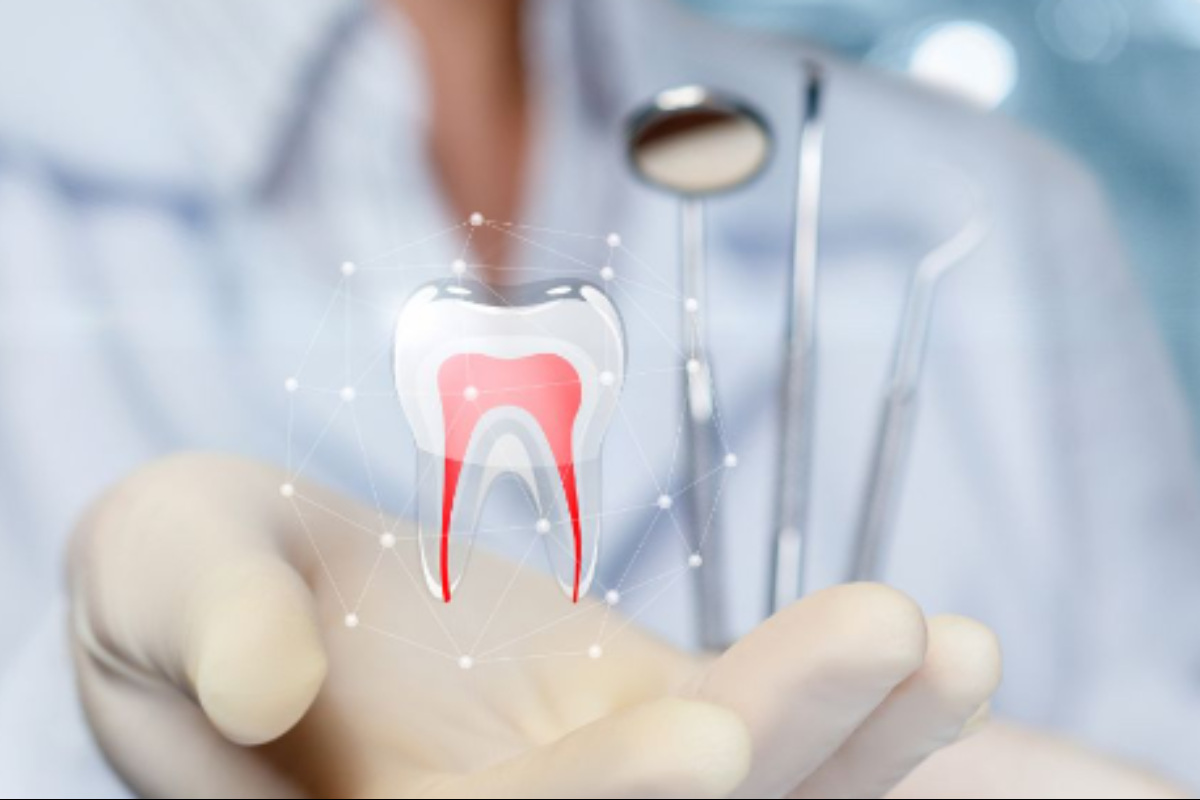
Root Canal Treatment or Tooth Extraction?
The right option depends on the tooth, bone, and remaining structure.
| Treatment | When It May Be Used | Main Point to Consider |
|---|---|---|
| Root canal treatment | The pulp is inflamed or infected, but the tooth can still be restored | Keeps the natural tooth in place |
| Tooth extraction | The tooth is too damaged, cracked, or weak to repair | Removes the problem tooth but may leave a gap |
| Filling | Decay has not reached the pulp and enough healthy tooth remains | Repairs a smaller area without treating the canals |
| Crown | The tooth needs added strength after treatment or damage | Covers and protects most of the visible tooth |
How Does Root Canal Treatment Work?
When we provide root canal therapy in St. Albert, we usually follow these steps:
Reviewing your symptoms
The dentist asks when the pain started, what triggers it, and whether swelling or sensitivity is present.
Examining the tooth
The tooth, gums, bite, and nearby area are checked for tenderness, cracks, decay, or swelling.
Taking X-rays
Images help show the roots, surrounding bone, signs of infection, and root canal anatomy.
Testing the tooth
Temperature or pressure tests may be used to check how the tooth responds.
Numbing the area
Local anaesthetic is used so the tooth and nearby gums remain comfortable.
Keeping the tooth dry
A protective sheet is placed around the tooth to keep saliva away during treatment.
Opening the tooth
A small opening is made to reach the pulp chamber and root canals.
Cleaning the canals
Infected or damaged tissue is removed, and the spaces are cleaned and shaped.
Sealing the canals
The cleaned spaces are filled with a dental material to help prevent bacteria from re-entering.
Closing the tooth
A temporary or permanent filling is placed over the opening.
Restoring the tooth
A crown may be recommended, especially for a back tooth that handles strong chewing pressure.
Checking the area
Follow-up visits or X-rays may be used to confirm that the area is healing as expected.
Treatment may take one or more visits depending on the infection, canal shape, and final restoration. If you are considering root canal therapy near you, we will explain the steps, the expected number of visits, and the final restoration before treatment begins.
What Can You Expect After Treatment?
The tooth may feel tender for a few days, especially if pain or swelling was present beforehand. This usually improves.
You may be advised to:
Wait until the numbness wears off before eating
Avoid chewing on the treated tooth until the final filling or crown is in place
Take medication only as directed
Brush and floss gently around the area
Avoid hard or sticky foods if a temporary filling is present
Return for the final filling or crown
Contact the clinic if pain or swelling becomes worse
Do not delay any recommended final restoration. A treated tooth that needs additional protection may be more likely to fracture if it is left unrestored.
How Do You Care for a Root Canal-Treated Tooth?
Daily cleaning and regular exams remain important after treatment.
| Care Habit | Why It Matters |
|---|---|
| Brush twice daily with fluoride toothpaste | Removes plaque around the restored tooth |
| Clean between the teeth every day | Helps protect the gums and nearby surfaces |
| Avoid chewing hard objects | Lowers the risk of cracks or restoration damage |
| Wear a nightguard if advised | Reduces pressure from grinding or clenching |
| Complete the final crown or filling | Protects the tooth after the canals are sealed |
| Attend regular dental visits | Allows the tooth, bite, gums, and restoration to be checked |
How Long Can a Treated Tooth Last?
A tooth can last for many years after root canal treatment. Daily cleaning, a well-fitting filling or crown, and regular dental visits all help protect it.
The tooth can still get a cavity or crack under heavy pressure. Grinding, clenching, and a worn restoration may also affect how long it lasts. Regular checkups allow the dentist to spot changes early.
Why Choose Dentus Family Dental?
At Dentus Family Dental, our St. Albert dentist takes time to confirm the source of pain before recommending treatment.
When you choose our team, you can expect:
A careful assessment
We check the tooth, gums, bite, nearby teeth, and X-rays.
Clear explanations
We discuss what is causing the problem and whether the tooth can be saved.
Comfort during treatment
The area is numbed, and each stage is explained.
Detailed cleaning
The canals are shaped, disinfected, and sealed.
Restoration planning
We explain whether a filling or crown is needed afterward.
Follow-up care
We monitor healing and check the restored tooth during future visits.
Specialist care when needed
If a tooth has complex roots or requires advanced treatment, we may refer you to a specialist.
Save a Painful or Infected Tooth
Tooth pain and swelling should not be ignored. Dentus Family Dental provides root canal therapy in St. Albert for teeth that can still be repaired after the damaged or infected tissue is removed.
If you need root canal therapy near you, book an appointment with our team. We will examine the tooth, explain your options, and help you understand what treatment may involve.
Frequently Asked Questions
Is root canal treatment painful?
The tooth is numbed before treatment begins. You may feel pressure, but you should not feel sharp pain. Mild soreness afterward is common.
How many appointments are needed?
Some teeth can be treated in one visit, while others need two or more. The number depends on the infection, canal shape, and final restoration.
Will I need a crown after root canal treatment?
It depends on the tooth’s location and how much healthy structure remains. A crown is often recommended for back teeth because they handle stronger chewing pressure, while some front teeth may be restored with a filling.
Can the tooth become infected again?
Yes. Reinfection can happen if bacteria enter through a crack, loose filling, damaged crown, or another pathway into the tooth.
What happens if I do not get treatment?
The infection may spread, pain may worsen, and the tooth may eventually need to be removed.
Can I eat after the procedure?
Wait until the numbness is gone. Avoid chewing hard foods on the treated tooth until the final restoration is in place.
How long does recovery take?
Tenderness often improves within a few days. Contact the clinic if pain, swelling, or pressure becomes stronger instead of settling.
Can every tooth be saved with root canal treatment?
No. A tooth with a deep fracture, severe bone loss, or too little healthy structure may need extraction instead.